


Home Rekey Services: Rekeying Your New Home Explained
Moving into a new home is exciting. But it also comes with important tasks to keep your family and belongings safe. One of the most crucial steps is securing your locks. You might wonder, what does rekeying mean? Why is it important? And how do home rekey services work? I’m here to walk you through everything you need to know about rekeying your new home.
What Are Home Rekey Services?
When you buy a new house, you inherit the existing locks. Rekeying means changing the internal mechanism of your locks so old keys no longer work. Instead, you get new keys that fit the same locks. This is different from replacing locks entirely, which can be more expensive and time-consuming.
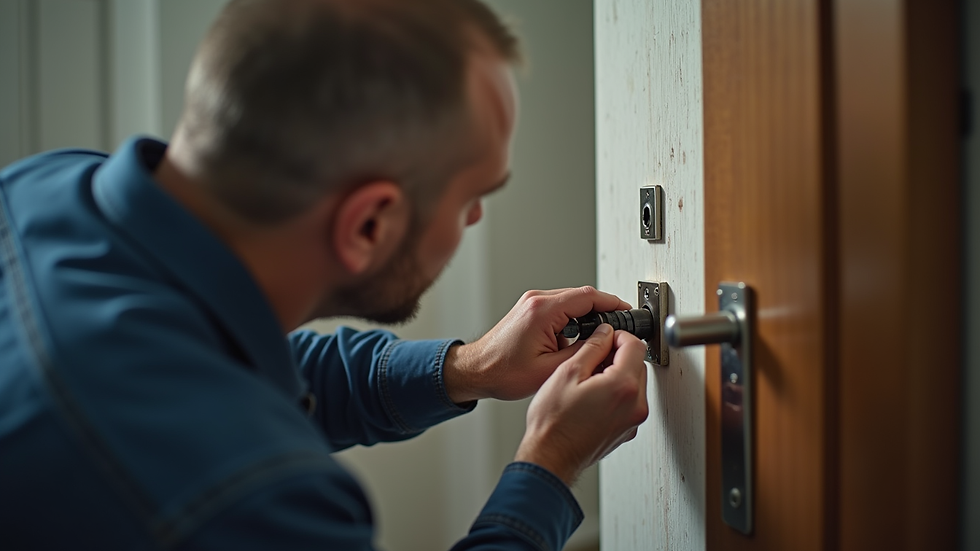
Home rekey services are offered by professional locksmiths who come to your home and adjust your locks on-site. They use special tools to change the pins inside the lock cylinder. This process is quick, usually taking less than an hour for a typical home.
Why choose rekeying over replacing locks? Rekeying is often more affordable and just as secure. It allows you to keep your current hardware while ensuring that only you and your family have access.

Why Should You Consider Rekeying Your New Home?
You might think, "The previous owner gave me the keys, so I’m safe." But that’s not always true. You never know who else might have copies of those keys. Maybe a neighbor, a contractor, or even a former tenant still has access.
Rekeying your new home gives you peace of mind. It ensures that only you control who can enter your house. Here are some key reasons to consider rekeying:
Security: Prevent unauthorized access from old keys.
Convenience: Use one key for all your locks by having them rekeyed to match.
Cost-effective: Save money compared to replacing all locks.
Quick service: Most locksmiths can complete rekeying in under an hour.
If you want to feel truly secure in your new space, rekeying is a smart first step.
Do I Need to Rekey When Buying a New House?
This is a common question. The short answer is yes, it’s highly recommended. Even if the previous owner seems trustworthy, you can’t be sure who else has keys. Rekeying is a simple way to take control of your home’s security.
Think about it this way: Would you leave your car keys with strangers? Probably not. Your home deserves the same care. Rekeying is a small investment that protects your family and belongings.
If you’re unsure, ask yourself:
Do I know how many copies of the keys exist?
Have contractors or real estate agents had access to the home?
Do I want to avoid the hassle of changing locks later?
If you answered yes to any of these, rekeying is the right choice.
How Does the Rekeying Process Work?
Understanding the process can make you feel more comfortable. Here’s what typically happens when you hire home rekey services:
Assessment: The locksmith inspects your locks and discusses your needs.
Removal: They remove the lock cylinder from the door.
Pin Change: Inside the cylinder, the locksmith replaces the pins to match a new key.
Reassembly: The lock is put back together and tested.
Key Delivery: You receive new keys that work with the rekeyed locks.
This process is efficient and causes minimal disruption. You don’t have to replace your entire lock system, which saves time and money.
If you want to simplify your keys, the locksmith can rekey multiple locks to work with a single key. This is called a master key system and is very convenient.
Tips for Choosing the Right Locksmith for Rekeying
Not all locksmiths are the same. Choosing a reliable professional is important to ensure your home’s security. Here are some tips to help you find the right expert:
Check credentials: Look for licensed and insured locksmiths.
Read reviews: See what other customers say about their service.
Ask about experience: Choose someone who specializes in residential rekeying.
Get a clear quote: Understand the cost before work begins.
Look for fast response: Emergencies happen, so find a locksmith who can come quickly.
In Union, NJ, and nearby areas, you want a locksmith who knows the community and can provide trustworthy, fast service. This way, you can feel confident that your home is secure.
What Are the Benefits of Rekeying Your New Home?
Rekeying offers many advantages beyond just security. Here are some benefits you might not have considered:
Custom security: You control who has keys and can add or remove access easily.
Avoid lockouts: With new keys, you reduce the chance of losing or misplacing old ones.
Protect your investment: Your home is one of your biggest assets, so keep it safe.
Peace of mind: Knowing your locks are secure helps you relax and enjoy your new home.
If you want to protect your family and belongings, rekeying is a simple, effective step.
When Should You Consider Rekeying Again?
Even after rekeying, it’s good to think about rekeying again if:
You lose your keys.
You move out or rent your home.
You want to upgrade your security.
You suspect someone unauthorized has a key.
Regularly updating your locks keeps your home safe over time. It’s a small effort that pays off in security and peace of mind.
Ready to Rekey Your New Home?
If you’re moving into a new place, don’t wait to secure your locks. Professional rekey new home services can help you take control quickly and affordably.
Remember, your home is your sanctuary. Taking this simple step ensures it stays that way. Whether you want to rekey one lock or all of them, expert locksmiths in Union, NJ are ready to assist you with fast, friendly service.
Your safety matters. Rekeying your new home is a smart, easy way to protect what you love most.


Comments